Traffic looks impressive on paper. More visitors, more clicks, more sessions. It feels like progress.

But here’s the reality most businesses avoid: traffic without conversion is just noise.

A website can bring in thousands of users and still fail to generate leads, sales, or real business impact. The difference between a website that performs and one that doesn’t is not visibility. It’s what happens after someone lands on the page.

That’s where conversion changes everything.

The silent gap between visitors and results

Most businesses focus heavily on getting users to the website. Ads are optimized, SEO is pushed, and campaigns are constantly adjusted.

But once users arrive, the experience is often left untouched.

What actually happens is simple:

  • users land on the site
  • they scan quickly
  • something feels unclear or heavy
  • they leave without taking action

This gap is where growth disappears. And it usually goes unnoticed because nothing technically “breaks.”

What makes users stay and take action

Users don’t convert because your website exists. They convert when things feel easy, clear, and trustworthy.

When a website is working properly, the experience feels almost invisible. There is no confusion, no friction, and no hesitation.

A few things consistently influence this:

• Messaging that explains the offer within seconds
• Layout that guides attention naturally without forcing it
• Fast performance across devices
• Clear next steps that don’t require thinking
• A sense of trust built through consistency and structure

When these are missing, users don’t complain. They just leave.

Why improving conversion beats increasing traffic

Chasing more traffic is an endless effort. It requires continuous spending, constant optimization, and ongoing attention.

Improving conversion, on the other hand, compounds.

If your website converts better:

  • the same number of visitors generate more leads
  • marketing spend becomes more efficient
  • user engagement improves without extra cost

This is why even small improvements in conversion can outperform large increases in traffic.

It’s not about getting more people. It’s about making better use of the people already arriving.

The role of structure in conversion

Conversion is not about adding more elements. It’s about removing confusion.

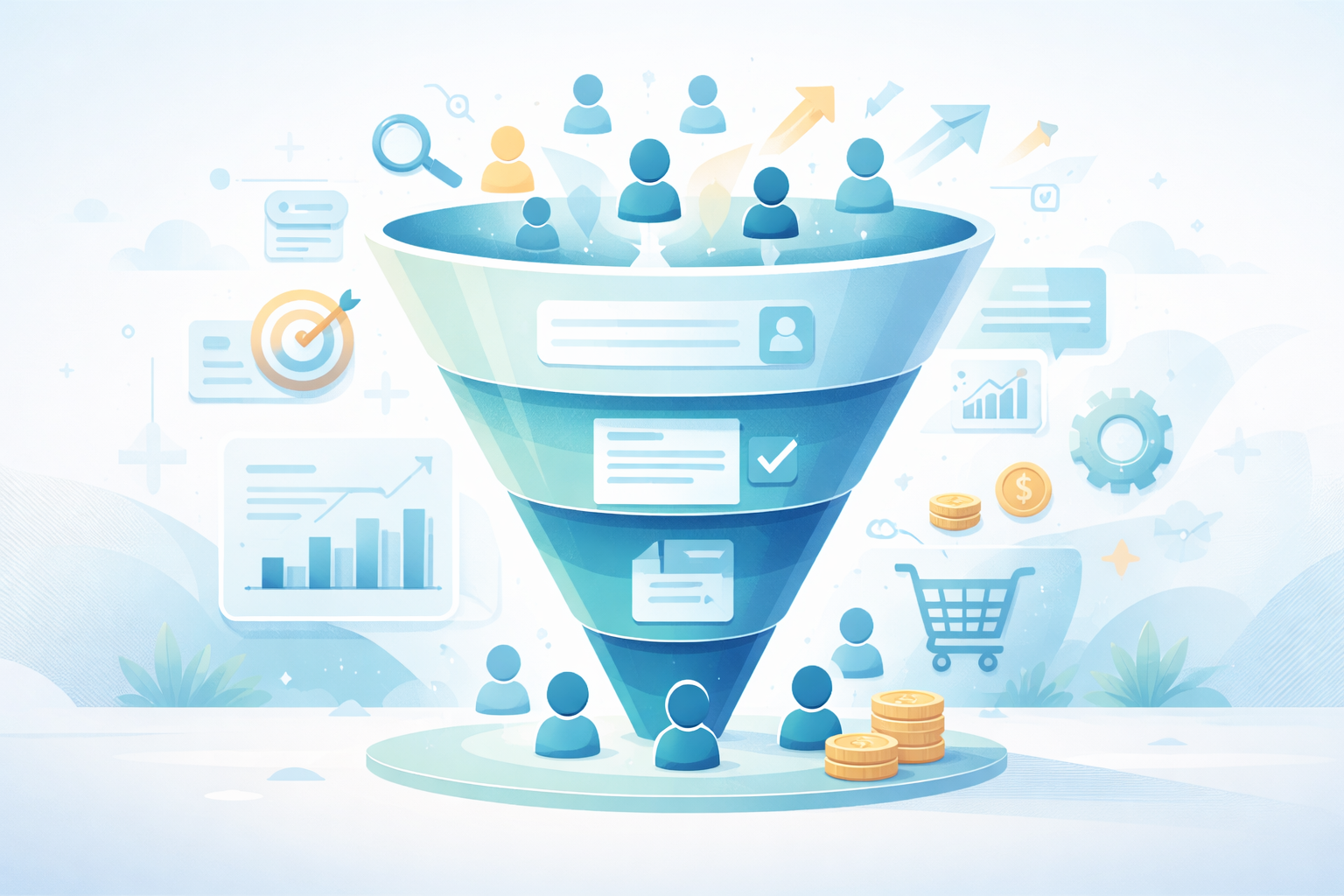
Every user follows a simple path:

  • they land
  • they try to understand
  • they decide if they trust
  • they act or leave

If your website interrupts this flow at any point, conversion drops.

Strong websites guide users without making it obvious. Each section answers the next question before the user asks it. That is what creates momentum.

Small changes that actually move the needle

Most websites don’t need a full redesign. They need clarity.

Some high-impact improvements include:

• Simplifying headlines so users instantly understand value
• Removing unnecessary sections that distract from action
• Improving button placement and visibility
• Reducing form friction by asking only what’s necessary
• Optimizing mobile experience separately, not as an afterthought

These changes look small, but they directly affect how users behave.

Why most websites fail at conversion

The problem is rarely effort. It’s direction.

Websites are often built to:

  • look impressive instead of being clear
  • include everything instead of prioritizing action
  • follow trends instead of user behavior

This leads to sites that feel good visually but don’t perform.

Conversion requires discipline. It means choosing clarity over creativity when it matters.

Challenges and balance

Conversion optimization is not about random changes or guesswork. It requires observing how users behave and making adjustments based on that.

At the same time, over-optimization can create new problems. Constant changes without understanding can break what already works.

The goal is balance. Improve what matters, keep what works, and avoid unnecessary complexity.

Video: Conversion Rate Optimization Explained Simply

This video explains how conversion works in a practical, easy-to-understand way. It focuses on how user experience decisions impact real business outcomes.

Final thought

Traffic brings attention. Conversion creates results.

A website that converts well turns interest into action without forcing it. It removes friction, builds trust, and makes the user journey feel natural.

Without conversion, even the best marketing efforts lose impact.

The real goal is not just to attract users. It’s to move them forward.

Leave Your Comment:

Your email address will not be published. Required fields are marked *